How to Handle the Key Symbol on Your Dashboard: A Spare Key Nissan Fix Guide
If you drive a Nissan and a small car-with-key symbol has appeared on your dashboard, you are not alone. That icon is part of your vehicle's immobilizer system, and it usually means the car is not recognizing your ignition key. For many owners, the simplest solution involves a spare key Nissan fix that gets the system back on speaking terms with your key fob. But before you head to a dealership or call an auto locksmith, it helps to understand what is happening under the surface.
What That Key Symbol Actually Means
The key symbol on a Nissan dashboard is the visual signal from your anti-theft system. When the car is running normally, the light should flash briefly during startup and then go out. If it stays on, or blinks steadily while you try to start, the immobilizer has not received the correct code from your key. This can happen for several reasons: a dead car key battery in the remote key, a damaged transponder key, or simply a glitch in the handshake between the key fob and the vehicle security module.
Think of the system as a two-step verification. First, the mechanical cut of the key needs to turn the lock cylinder. Second, the electronic chip inside the key fob must send a unique code to the immobilizer. If either step fails, the engine start will not proceed. That is why swapping to a spare key often works - it isolates whether the problem is the key itself or something deeper in the starter solenoid or wiring.
Why a Spare Key Nissan Fix Is Often the First Thing to Try
When you see the key symbol, the most straightforward test is to grab your spare key. If the car starts normally with the spare, the issue is almost certainly with your primary key. This is where the phrase "spare key Nissan fix" comes into play. It is not a formal repair procedure but a practical diagnostic step that anyone can do. Keep in mind that a spare key must be programmed to your vehicle. A simple metal duplicate cut at a hardware store will turn the lock but will not disarm the immobilizer. You need a transponder key or a remote key that has been paired to your car's system.
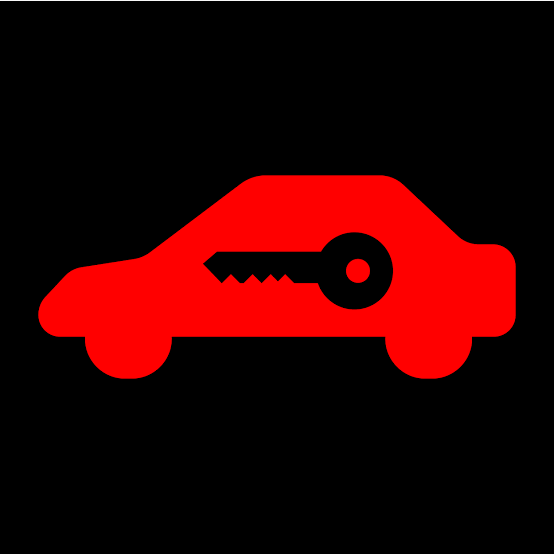
If your spare key works, you have confirmed that the car's immobilizer and ignition system are fine. The fault lies in the original key fob - possibly a dead battery, a broken internal circuit, or a chip that has lost its programming. Replacing the car key battery in the fob is a cheap first step. If that does not help, key duplication by a qualified auto locksmith or a Nissan dealership is the next move. They can read the code from your spare key and program a new fob to match.
When the Spare Key Does Not Work Either
If both your main key and your spare key trigger the key symbol, the problem moves from the key to the car. The immobilizer system may have lost its synchronization, or a component like the starter solenoid or the ignition switch might be failing. In this case, a simple spare key Nissan fix will not solve it. You need to look at the vehicle security electronics.
Start with the battery in the key fob even if you think it is fine. A weak battery can send a weak signal that the car reads as an incorrect code. Replace it with a fresh one and try both keys again. If the symbol persists, check for any aftermarket devices like a keyless entry system that might interfere with the factory immobilizer. Some older Nissans and Infiniti models have known quirks where the dashboard key symbol comes on after a battery disconnect or a jump start. In those cases, a simple reset procedure - turning the key to the on position for ten seconds, then off - can clear the fault.
Understanding the Immobilizer System in Your Nissan
Nissan's immobilizer system, shared with Infiniti vehicles, uses a transponder key that contains a small chip. When you insert the key and turn it, the chip sends a code to a receiver near the ignition cylinder. The car's computer compares that code to a stored list of authorized codes. If it matches, the immobilizer disengages and allows the engine start. If it does not, the key symbol appears and the starter solenoid will not activate.
This system is effective at preventing theft, but it can be finicky. The chip inside the key fob is durable but not indestructible. Dropping the key, exposing it to moisture, or leaving it near a strong magnetic field can corrupt the chip's data. Over time, the car key battery also drains, especially in remote keys that are used daily. Many Nissan owners find that a simple battery swap fixes the key symbol issue more often than not.
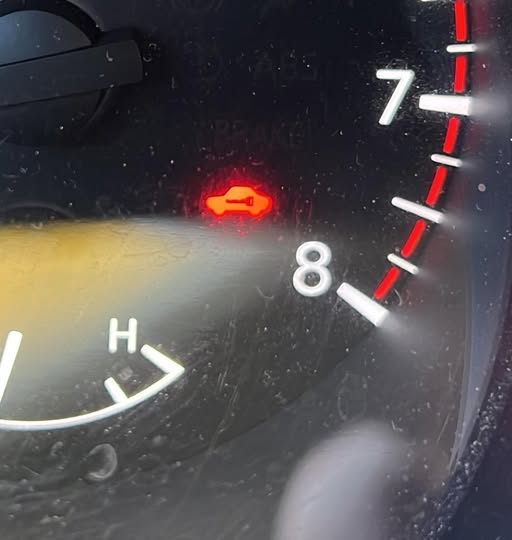
Practical Steps When You See the Key Symbol
- Try your spare key first. If it works, you know the problem is with your primary key.
- Replace the car key battery in both keys. Use a fresh, high-quality coin cell and ensure the contacts are clean.
- If the spare key does not work, perform a system reset: insert the key, turn to ON (not start) for 10-15 seconds, then back to OFF. Repeat twice.
- Check that no other electronic devices on your keychain are interfering. Some RFID-blocking sleeves or other car fobs can cause issues.
- If none of the above works, consult a Nissan dealership or a reputable auto locksmith for key programming or immobilizer diagnosis.
Key Programming and Duplication Options
If you need a new key, you have a few paths. A Nissan dealership can cut and program a new transponder key using your vehicle's VIN and security code. This is the most reliable route but often the most expensive. An independent auto locksmith who specializes in vehicle security can also perform key duplication and programming, usually at a lower cost. Some locksmiths can even clone the code from your existing spare key onto a new fob without needing the car present, though that depends on the specific system.
For owners of older Nissan models, aftermarket key fobs are available online. Be cautious here. The programming procedure varies by year and model, and a misprogrammed key can cause the immobilizer to lock you out completely. If you go that route, make sure you have a working spare key before you attempt any programming yourself.
When to Look Beyond the Key
If the key symbol remains after trying multiple keys and a fresh battery, the issue may be in the car's reception side. The antenna ring around the ignition cylinder can fail, or the immobilizer control module can develop a fault. A failing starter solenoid can also mimic a key problem because the solenoid is what physically allows the engine to turn over. If you hear a click but no crank, and the key symbol is on, the solenoid is a likely suspect. That is a different repair entirely, but it is worth knowing so you do not keep throwing keys at a mechanical problem.
Similarly, some Nissan models have a known issue where the dashboard key symbol flashes due to a weak main battery. The car's security system is sensitive to voltage drops. If your main battery is old or the terminals are corroded, the immobilizer may not get enough power to verify the key code. Cleaning the terminals and testing the battery voltage is a simple check before you spend money on new keys.

Why Keeping a Programmed Spare Key Matters
The lesson here is straightforward. A spare key that is already programmed and working is your best diagnostic tool and your backup if your primary key fails. Without a spare, you are stuck guessing whether the problem is the key or the car. Keeping a spare in a safe place - not on your main keychain - can save you a tow truck bill and a trip to the dealership. And when you get that spare made, make sure it includes the transponder chip, not just the metal blade. A spare key Nissan fix only works if the spare is actually capable of talking to your car's immobilizer.
Next time that key symbol glows on your dashboard, take a breath. Grab your spare key, check the battery, and work through the steps. In many cases, the fix is simpler than it looks. And if it is not, you will have narrowed the problem down to the car's electronics, which is valuable information for whoever works on it next.